
Smart Home & Lutron Integration
The Construction Group is a Lutron smart home builder in Fort Worth, coordinating lighting, shading, and climate systems into contemporary custom homes during design, before the walls are closed.
Why smart-home integration matters in a contemporary home
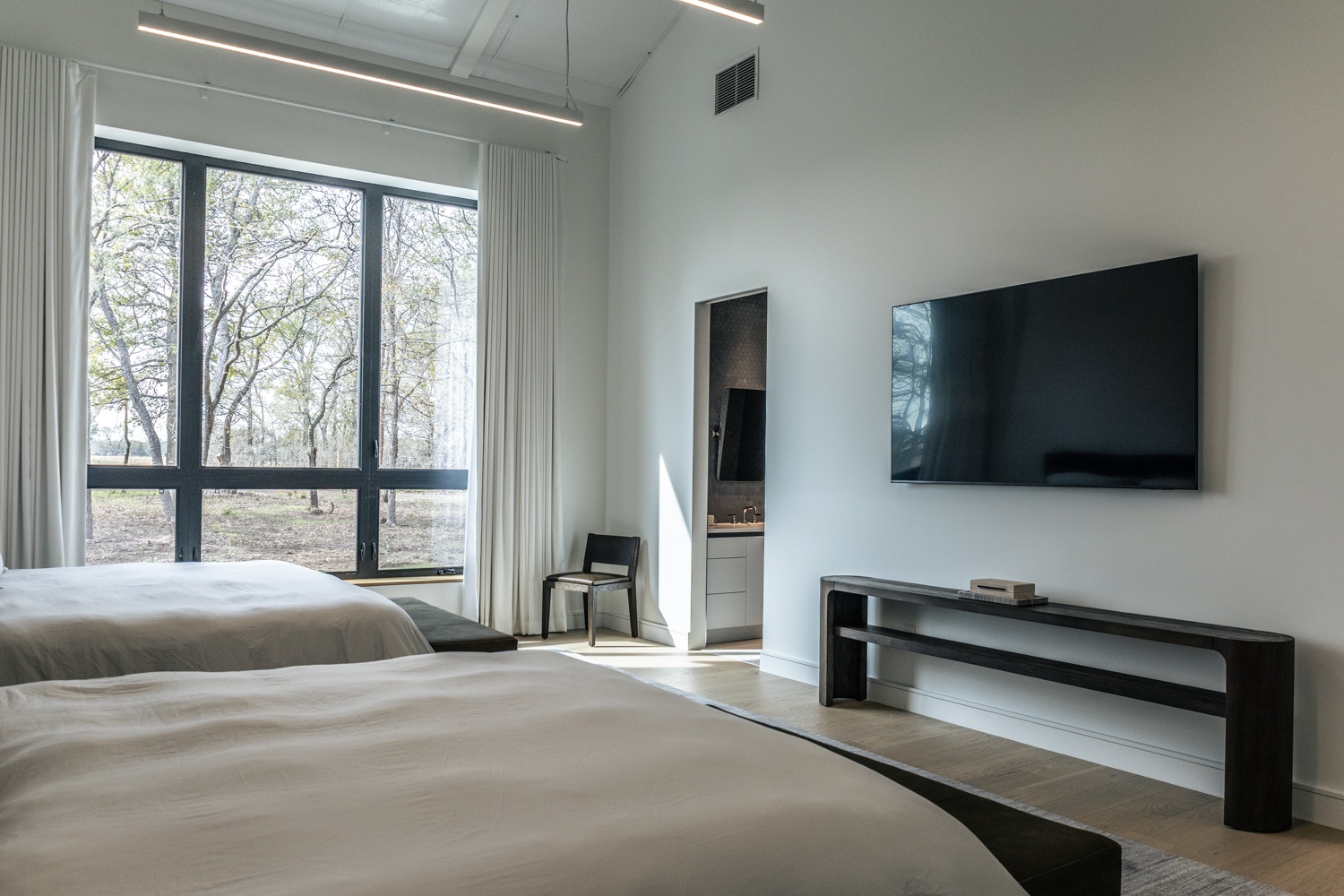
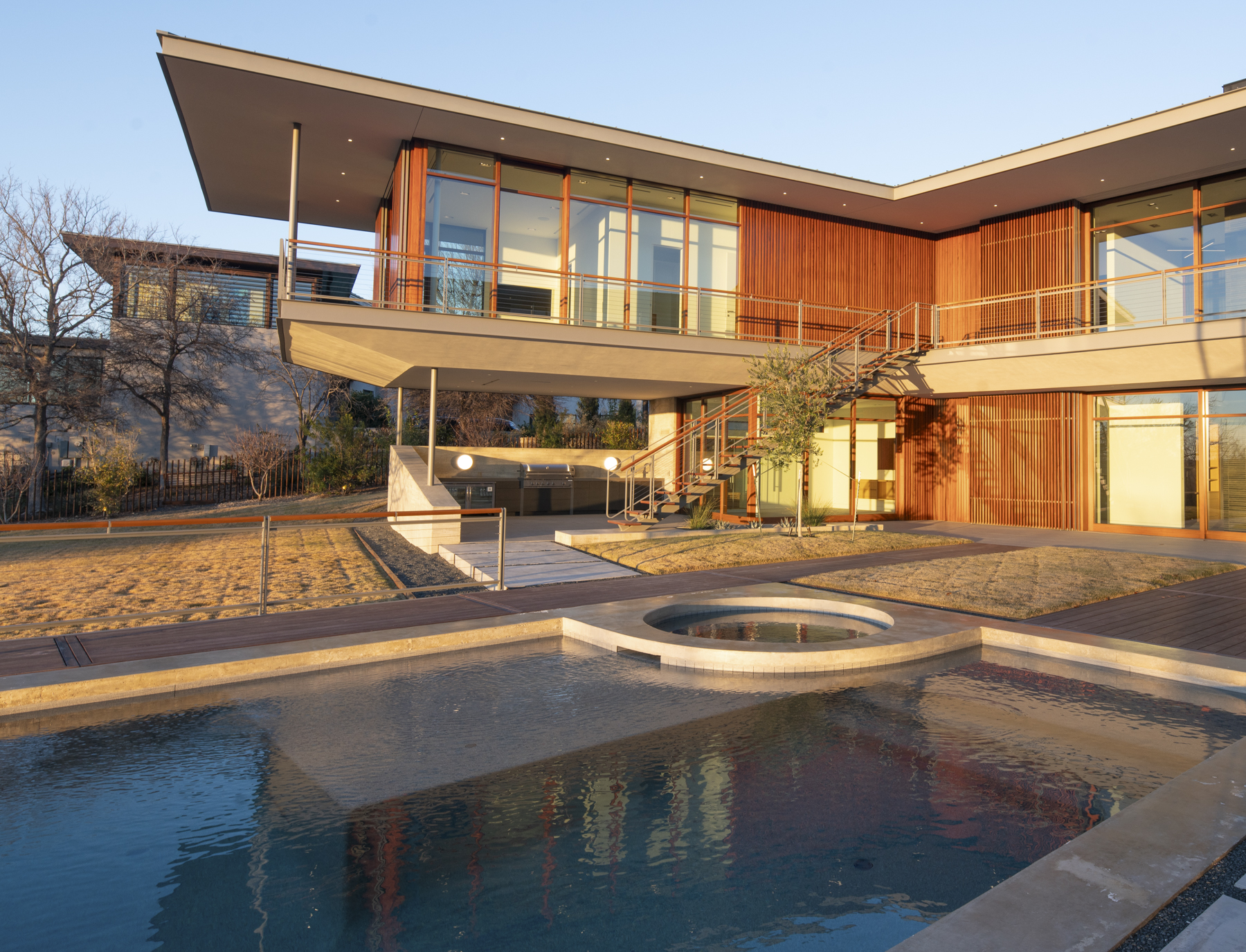
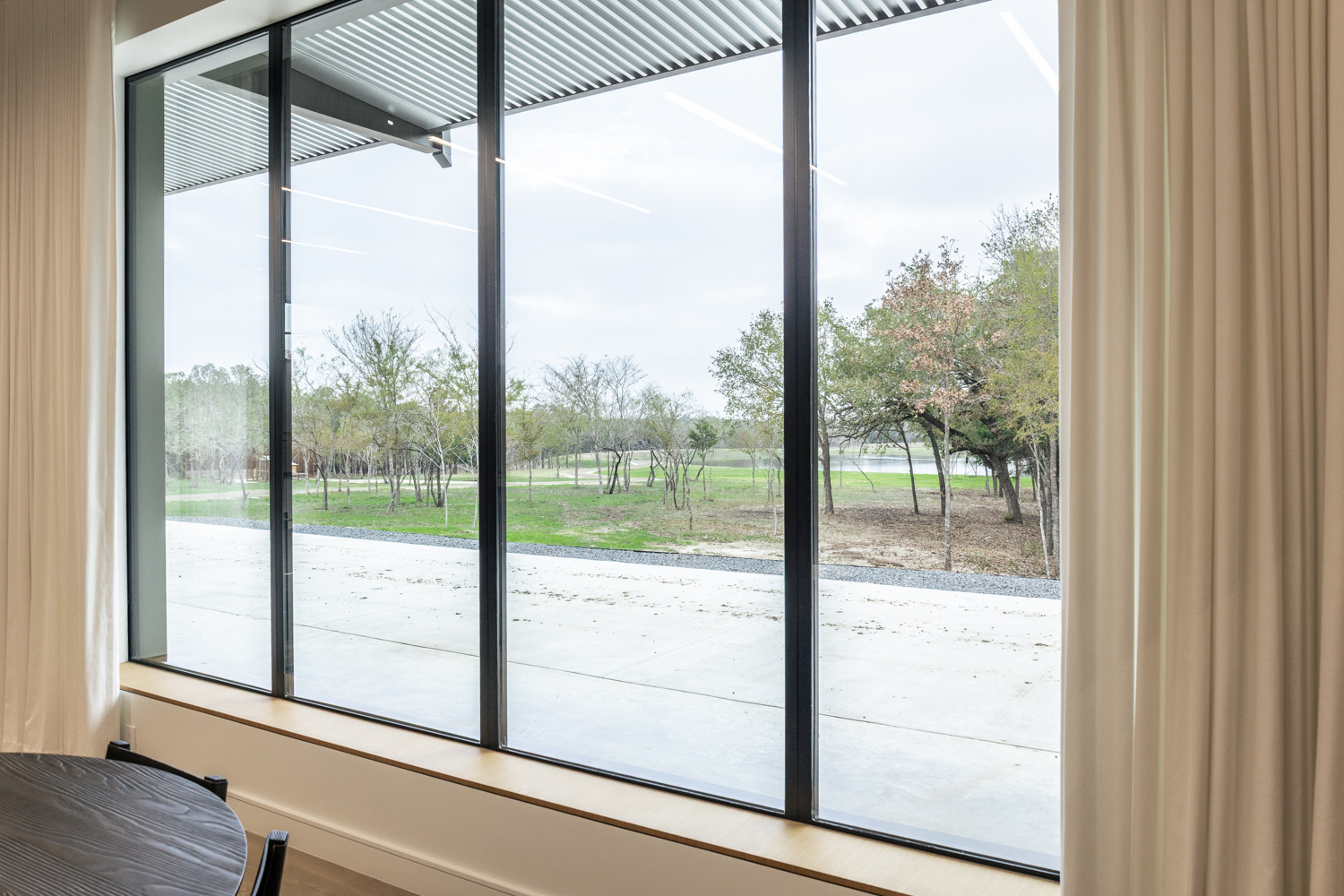
Contemporary architecture relies on large expanses of glass, open floor plans, and layered lighting. Those features raise the stakes for control. A great room with walls of glass needs lighting that adapts as daylight changes, shading that manages heat and glare, and climate zones that don’t fight each other. Integrated automation handles that from a handful of keypads or a phone instead of dozens of switches.
What a whole-home system typically controls
Lighting: dimming and preset “scenes” for entertaining, dining, or evening, plus schedules and exterior lighting.
Shading: motorized shades that raise, lower, or tilt on a schedule or in response to sun position.
Climate: thermostat zoning and scheduling across floors and wings.
Audio/video: whole-home audio, media rooms, and outdoor entertainment.
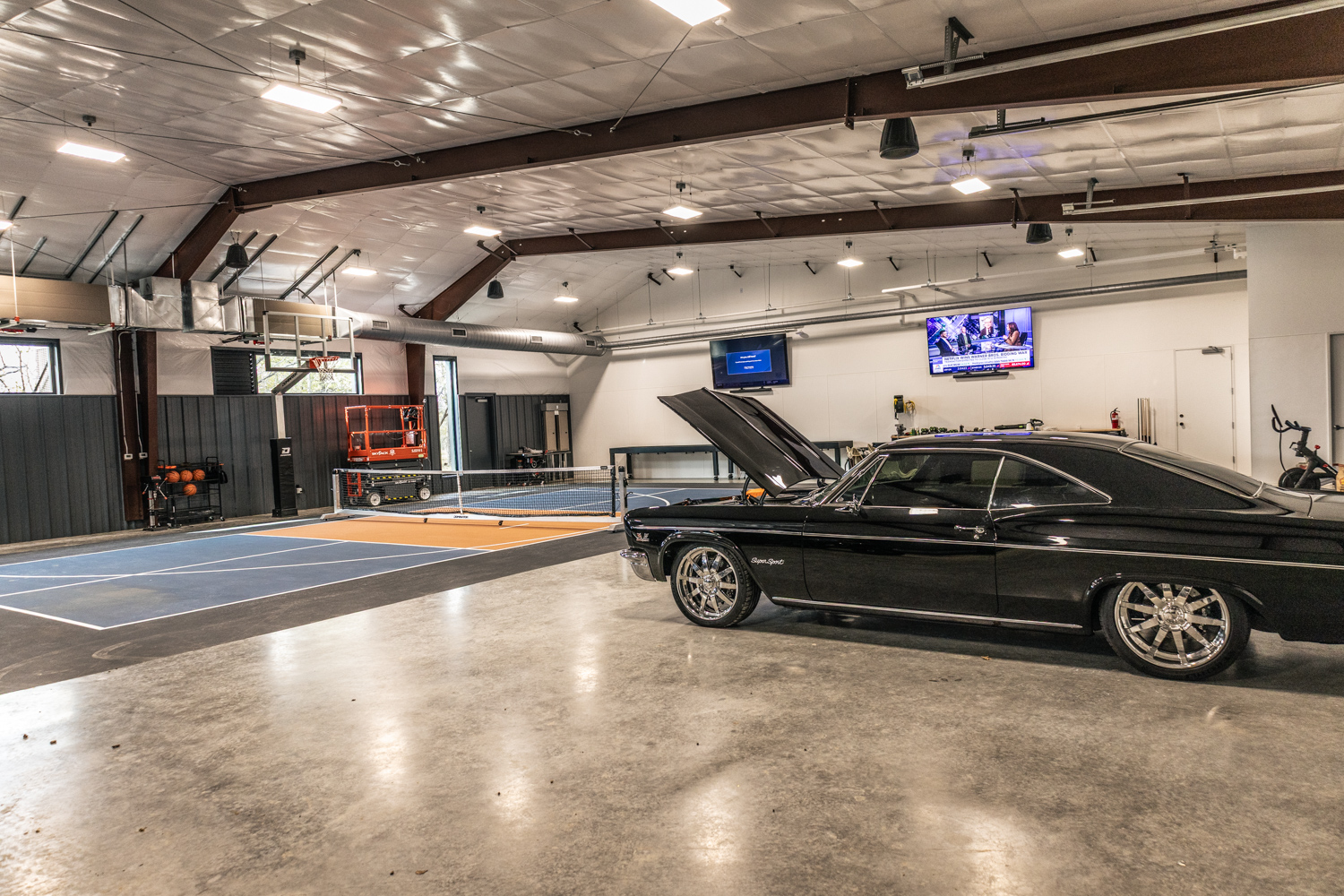
Security and access: cameras, door locks, gates, and garage doors.
Lutron at a glance
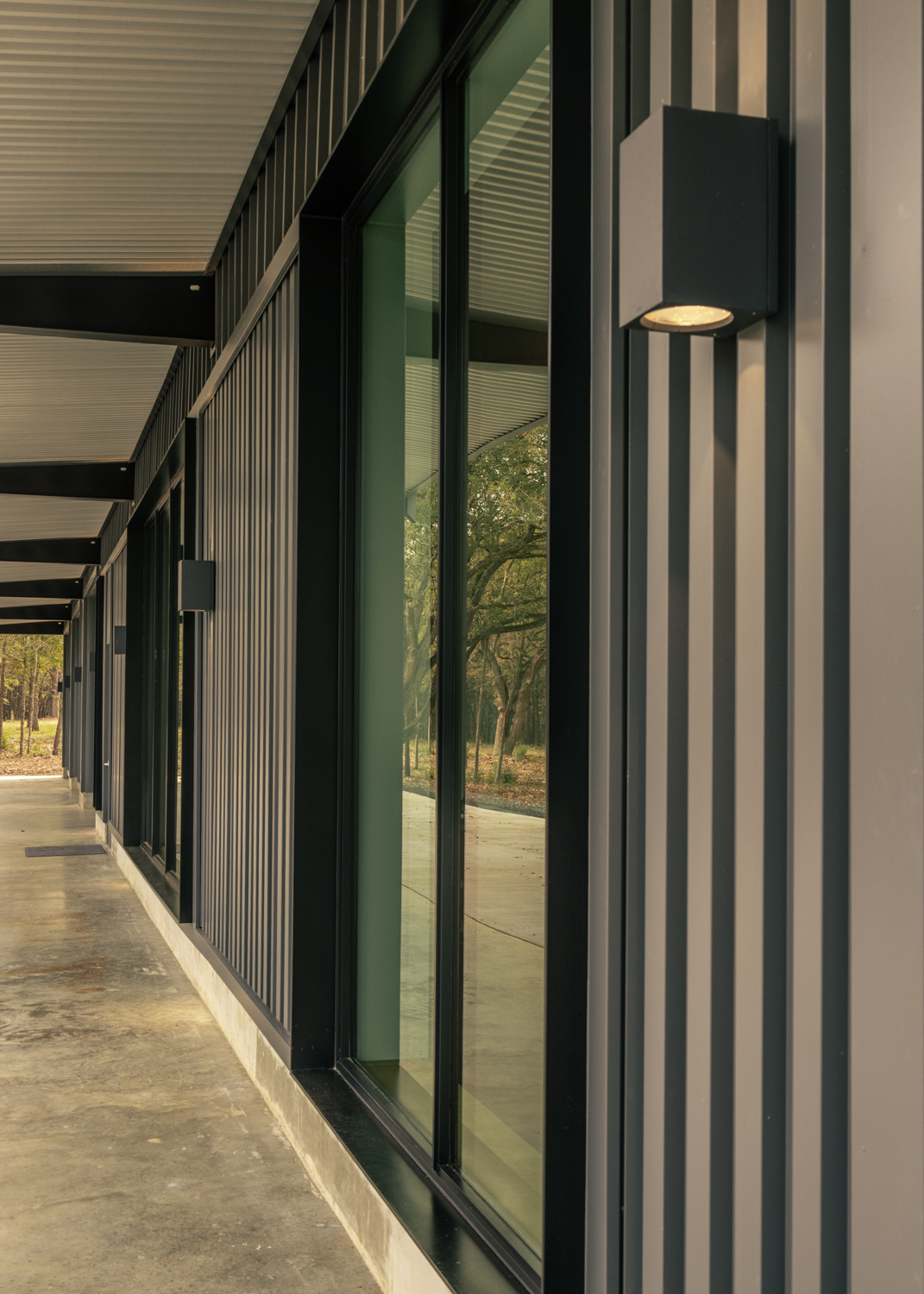
Lutron is a lighting and shading control manufacturer. Its systems range from simpler wireless platforms, such as RadioRA, to whole-home platforms, such as HomeWorks, for larger or more complex houses. They’re typically sold, designed, and programmed through authorized integrators rather than installed by general contractors alone, so a good build brings the integrator in early.
What has to be planned before the walls close
Most smart-home regrets come from decisions that weren’t made during framing and rough-in. A builder and integrator should settle these before drywall:
Keypad and control locations on the electrical plan
Low-voltage and network cabling to every control point, access point, and camera
Neutral conductors at switch locations, which many controls require
Shade pockets or ceiling recesses sized for motorized shades
Power at windows for shade motors
A ventilated equipment location with room to grow
Structural blocking behind walls for TVs and mounted equipment
Shading, glare, and large glass
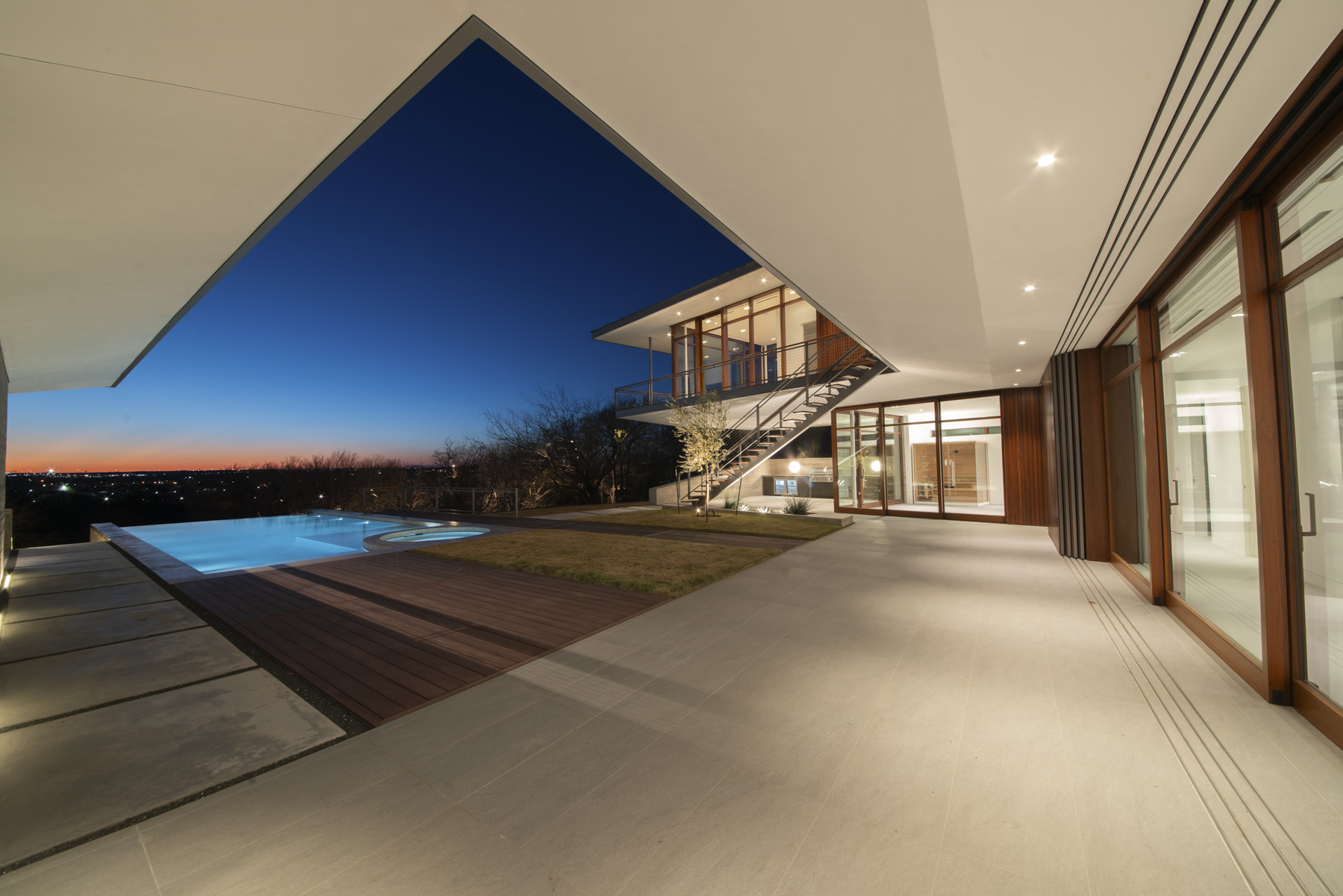
In North Texas, west- and south-facing glass can drive heat gain and fade furnishings. Automated shades work with the window specification, roof overhangs, and HVAC zoning, not in place of them. That’s why shading decisions belong in design, alongside glazing choices.
How the process fits into construction
Schematic design: define the scope and which rooms and systems matter to you.
Design development: place keypads, shades, and equipment on the drawings.
Construction documents: low-voltage and lighting plans go into the permit set.
Rough-in: pre-wire is installed and inspected before insulation and drywall.
Finish and commissioning: the integrator programs scenes, schedules, and shading.
Closeout: the homeowner is walked through daily use.
Cost thinking
System costs vary widely with scope, from lighting-only to full automation. The practical rule: pre-wiring during construction costs a fraction of retrofitting later, because retrofits mean opening finished walls and ceilings. Even if you don’t install every system on day one, pre-wire for the ones you might want.
Why The Construction Group
As a Fort Worth contemporary custom home builder since 2006, we plan trade coordination into the schedule so low-voltage work is sequenced with electrical, framing, and finishes. Transparent cost-plus billing means you see what each system and trade actually costs.
Frequently Asked Questions
What is a Lutron smart home?
A home using Lutron systems to control lighting, motorized shading, and sometimes other functions from keypads, apps, and schedules.
Can smart-home systems be added after the home is built?
Yes, but retrofits are more disruptive and more visible. Planning during design keeps wiring and hardware inside the walls.
Do I need to know exactly what I want before design starts?
No. A general sense of how you use the home is enough, and the scope can be refined during design.
Who programs the system?
Typically an authorized integrator, coordinated with your builder and architect.
Does smart-home automation help with energy use?
It can. Scheduled lighting, automated shading, and zoned climate control all reduce unnecessary load, though results depend on the home’s envelope and how the systems are used.
How early should I involve an integrator?
During design, ideally before electrical drawings are finalized.
Related: [Luxury Contemporary Homes] · [Energy-Efficient Homes] · [Custom Homes]
Want a Home That’s Automated, Not Complicated?
Start the Conversation